
Source paper: Integrated Strategic Planning at EKATI Diamond Mine - Coutts, B. (2009)
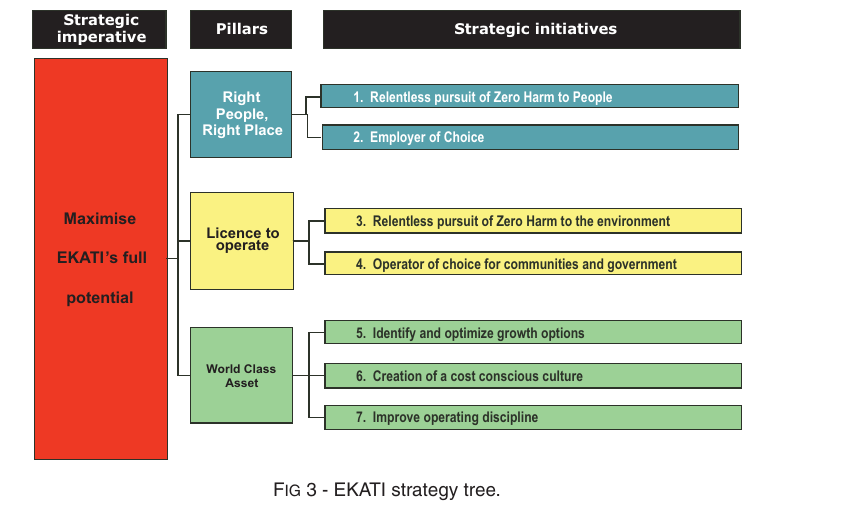
The EKATI paper describes a strategic planning system built around a clear planning aim: maximise EKATI’s full potential. That required a planning process capable of connecting strategic imperatives, physical inputs, project options, operating constraints, risk scenarios, and value metrics without losing sight of deliverability.
The paper explains that EKATI optimised a mineral inventory of physically discrete kimberlite orebodies developed through open pit and underground operations. Each pipe had unique revenue, recovery, capital, and operating characteristics. This made consistency of assumptions essential, because small changes in value, throughput, or uncertainty could alter the order in which options should be preserved or developed.
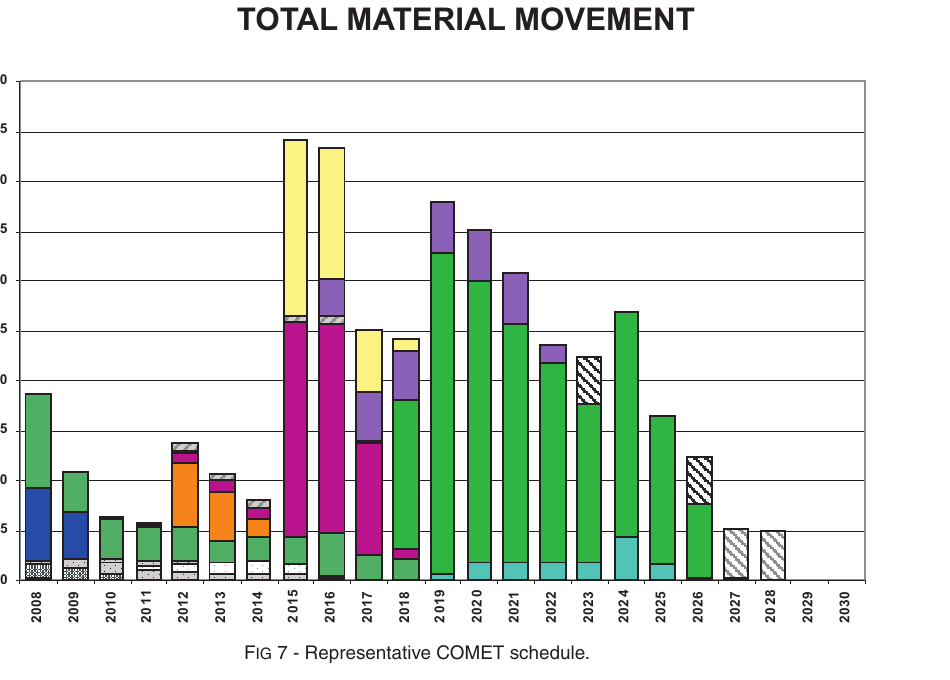
COMET was used to evaluate base cases, development projects, tactical options, strategic options, and alternate scenarios. The base case value was treated as 100 per cent, and other strategic assessments were reported relative to it. That normalised comparison made it easier to understand which options genuinely improved the project and which only appeared attractive when viewed in isolation.
The paper is careful about the distinction between strategic optimisation and operational deliverability. A COMET schedule can reveal value drivers and preferred extraction order, but the next stage of planning still needs to transform that insight into a deliverable mining schedule. That handoff is one of the reasons integrated planning matters: the value idea must survive contact with the operating plan.
Scenario analysis was central. EKATI assessed high and low risk production, plant throughput, poor winter road seasons, demand and diamond price changes, cost ranges, alternative mining methods, processing screen size, value recovery, and capital requirements. The result was not a single fragile plan, but a clearer understanding of the triggers and sensitivities behind decisions.
The case study shows why strategic planning should not be a calendar exercise. It should be an integrated decision system where the business continually challenges the present state, preserves valuable options, and translates optimisation insight into credible schedules.